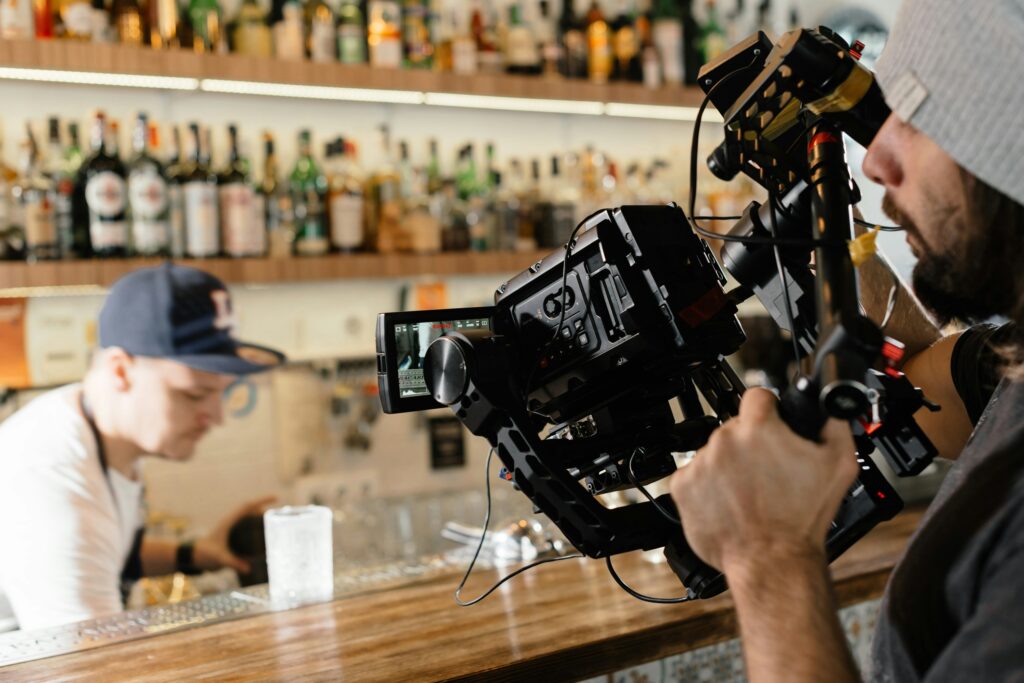
Wondering how to rent your bar for filming? You’re probably already sitting on something creators are actively searching for — and most bars in Thanet don’t know it yet.
A well-worn bar counter. Bottles dressed on the back bar. Warm amber lighting and a bit of exposed brick. These are the things that content creators, brand photographers, and music video directors pay good money to stand in front of — and they’re paying London prices on platforms like Peerspace to find them, often averaging over £100 an hour. Your bar, on a quiet Tuesday morning before you’ve even unlocked the door, could be earning you money you’re currently leaving on the table.
Here’s how it works.
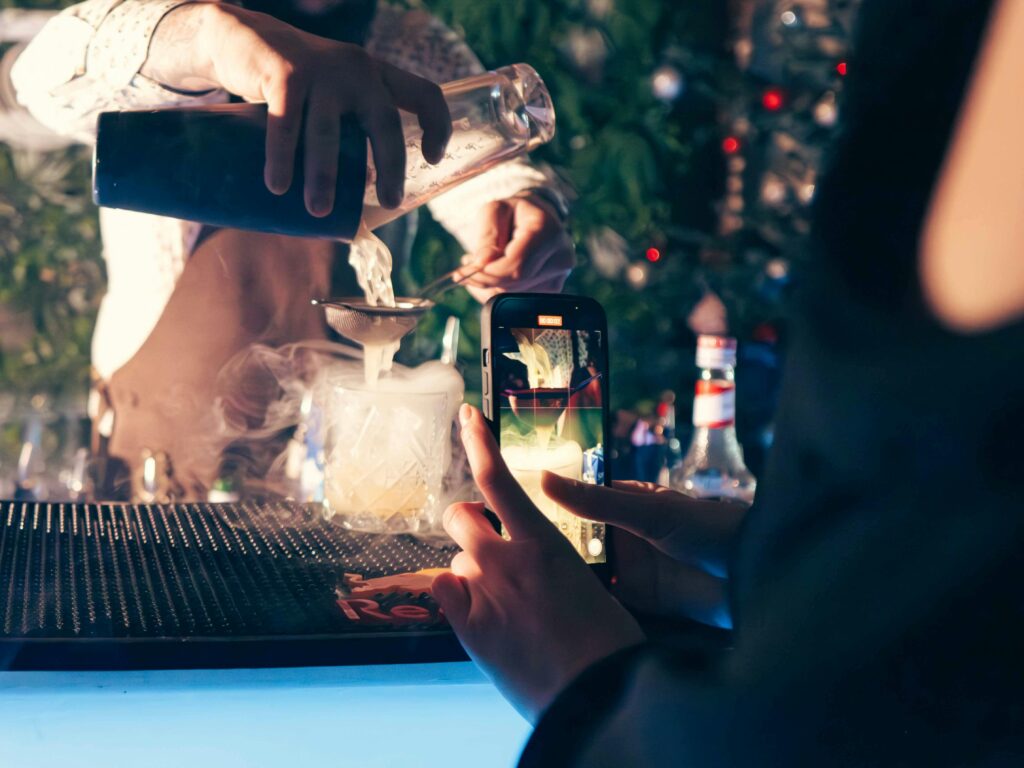
Ask a content creator what their ideal backdrop looks like and they will describe your bar. Not a white studio wall. Not a ring-lit bedroom. Your bar — with the character, the texture, and the atmosphere that no purpose-built studio can convincingly replicate.
In fact, studios try. Influence Studios in Los Angeles was built specifically for content creators who want commercial quality content without the hassle of a traditional shoot — and one of their purpose-built sets is a cocktail bar vignette, complete with glassware, because the real thing is so difficult to find on demand. Your actual bar is more valuable to a creator than a studio imitation of it.
The types of creators who actively seek out bars include:
What they are specifically looking for:
The concern most bar owners raise at this point is some version of: “I don’t want strangers behind my bar, and I definitely don’t want them touching the stock.”
Both are entirely reasonable. Here’s how the reality tends to play out.
Creators booking a bar for content are not booking a night out. They are not there to drink. They are there to work — and they treat it accordingly. A typical booking involves one or two people, a camera, a tripod, and perhaps a ring light. The session runs one to three hours. They set up, shoot their content, pack away, and leave.
The bottles on the back bar are visual props, not a free bar tab. In almost every case, a creator booking a bar space wants the back bar dressed exactly as you would leave it — bottles in place, labels facing forward. They are not asking to use the stock. If you want to be explicit about this in your listing description, you absolutely can, and it will not put creators off. It will actually reassure them that the space is professionally managed.
As for being behind the bar — you set the boundaries. If you want the counter to be off-limits, say so. Most creators are perfectly happy to shoot from the customer side of the bar. The atmosphere is the same from either angle.
And if you’d rather trial the whole thing with zero risk to your regular operation, opening up a couple of slots on a day you’re normally closed is the lowest-stakes way to start. No customers, no disruption, just a modest hourly rate landing in your account on days that would otherwise cost you nothing and earn you nothing.
For a full breakdown of how bookings are managed and what Creator Spots asks of venues, take a look at how it works for venues.
This depends on your hourly rate and how many slots you’re willing to offer. Most venues on the platform set their own rate based on what feels right for their space — typically somewhere in the £15–£30 range per hour, though you’re free to price higher if you believe your venue warrants it.
For context, bars listed on platforms like Peerspace in UK cities average over £100 an hour for the same type of booking. Creator Spots venues are priced to be accessible to independent creators working on real budgets — which means more bookings, not fewer.
A bar that offers three morning slots per week on days it would otherwise be closed can realistically earn between £45 and £75 a week in additional revenue without touching its regular trade. Over a month that becomes a meaningful number, generated during hours that were previously earning nothing.
According to the Ofcom Media Nations report and DentsuX’s analysis, YouTube viewing continues to grow year on year, with online video now driving the UK’s entire commercial media sector — which means the pool of people creating content, and needing spaces like yours to do it in, is only getting bigger.
Creators find your listing, choose a date and time from your available slots, and pay upfront through the platform. You get notified of the booking. They turn up, create their content, and leave. Creator Spots pays you weekly, minus the 12% platform commission.
You don’t need to chase payments, handle invoices, or be present for every booking unless you want to be. The main adjustment most venues make is letting us know when they need to block out a slot — for a delivery, a private hire, or simply a day off. A quick email to hello@creatorspots.co.uk is all it takes.
If you’re curious about the scale of the creator economy you’d be tapping into, the TikTok Creator Academy gives a useful sense of how seriously people take this work — these are not hobbyists with a phone and an afternoon to fill, they are building audiences, fulfilling brand briefs, and looking for professional spaces to do it in.
Not much. Here’s the short version.
That’s it. Creator Spots handles the booking, the payment, and the reminders. You don’t need to build anything new around it — it sits alongside whatever you’re already doing.
If you’d like to walk through exactly what happens after you register, the how it works for venues page covers every step.
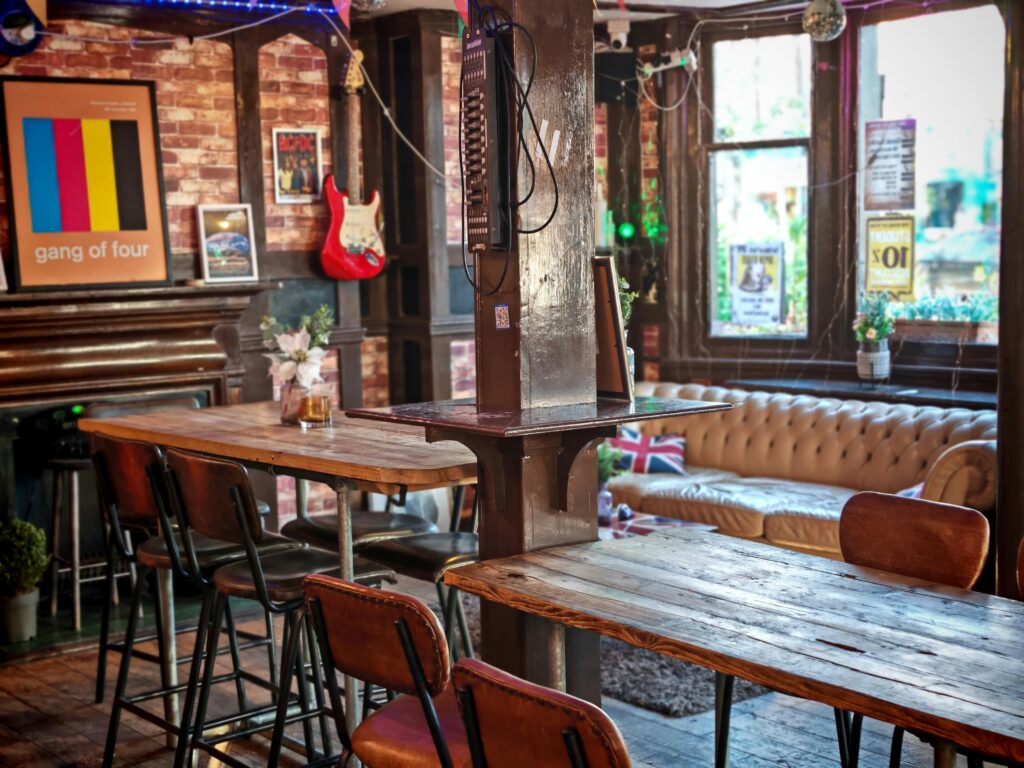
The bars that do well on Creator Spots are not the ones with the biggest spaces or the fanciest fit-outs. They are the ones with atmosphere — and atmosphere is something independent bars in Thanet have in abundance.
If you’d like to see how your bar could look as a listing, list your venue here and someone will be in touch within 48 hours to get you set up.