
If you have been trying to figure out how to stand out as a UGC creator, you have probably already done the sensible things. You bought a decent ring light. You cleared the clutter off your worktop. You watched approximately forty-seven tutorials about hooks. And yet, when you open your portfolio and compare it to the other pitches in a brand’s inbox, there is a quiet, uncomfortable feeling that something still looks familiar. Too familiar.
The ring light was not the problem. Neither was the hook.
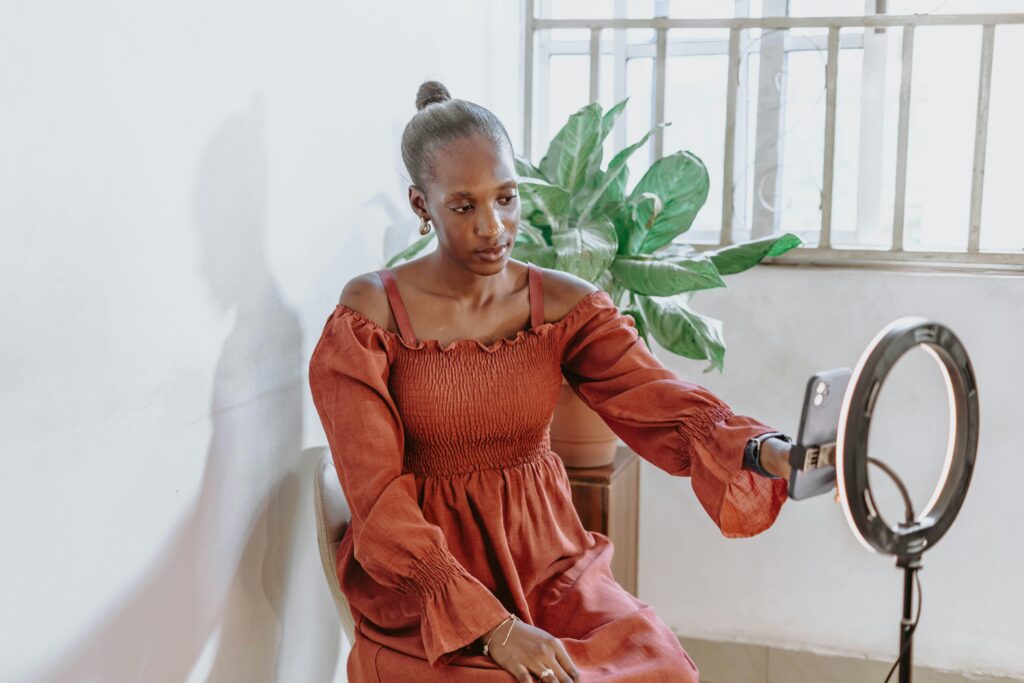
The creator economy has grown at a pace that defies polite description. The number of creators offering UGC services to brands grew by 93% in a single year between 2024 and 2025. Interest in becoming a UGC creator has risen 8,700% since 2020. On platforms like Insense alone, there are now more than 20,000 creators available for hire.
The predictable thing happened next. Average UGC payment rates dropped 44% year-on-year, falling to around $202 (roughly £150) per deliverable by 2025 according to Collabstr’s Influencer Marketing Report, which tracks first-party transaction data from 40,000 advertisers. Brands now have more choice than they can sensibly process, and they are spending less as a result.
The market research firm behind the data put it plainly: as the creator market becomes saturated, the classic principles of supply and demand drive prices down, giving brands more negotiating power. What they did not add — but what every working creator already suspects — is that the saturation is not just numerical. It is visual.
Here is the pattern that brands now see every day. A creator in a white-walled room. Ring light reflected in their glasses. A marble-effect worktop in the background, or a tiled kitchen splashback, or a shelf arrangement that could belong to any of approximately four million flats in the United Kingdom. The hook is well-written. The delivery is confident. The content is, by most measures, perfectly fine.
It also looks exactly like the forty submissions that arrived before it.
Performance marketing agency 85SIXTY described this in a piece on UGC trends: there is a formula that has been recycled so many times it no longer stops the scroll. The problem, they noted, is not that these formats never work. The problem is that they no longer feel fresh. When every creator follows the same structure in the same setting, even genuine enthusiasm starts to look like a script.
The UGC Club noted that brands regularly receive hundreds of pitches a month featuring the same email templates, the same Canva portfolio designs, and the same visual environments. The barrier to entry being low has not created diversity. It has created uniformity.

The research on this is consistent enough to be worth citing directly. A Stackla survey found that 86% of consumers say authenticity is important when deciding which brands they support. A separate Edelman Trust Barometer report found that 73% of consumers say trust in a brand increases when it authentically reflects real culture. Audiences are getting considerably better at identifying content that was made to look authentic rather than content that simply is.
Ogilvy named this the Differentiation Crisis at Cannes Lions 2025, warning that the tools designed for efficiency risk producing a sea of sameness. Their 2026 Social Trends Report is titled Social with Substance and the Return to Real — and they describe authenticity as having moved from aesthetic choice to strategic design principle.
What does this mean in practice? It means brands are not just looking for a confident presenter and a clean hook. They are increasingly looking at the environment the content was made in. A product filmed against an original Victorian fireplace in a Margate flat reads differently to the same product against a foam board from Amazon. Both might be lo-fi. Only one of them is genuinely distinctive.
The current advice ecosystem for UGC backdrop ideas is mostly about making your existing home look better. Contact paper to simulate marble worktops. Photo tiles to fake exposed brick. Foam boards from Amazon at £12 a sheet. These are practical solutions to a real problem, but they share a flaw: when enough creators use them, they produce their own kind of sameness. Fake marble still looks like fake marble, and brands have seen a great deal of it.
The overlooked alternative — genuinely distinctive spaces, hired by the hour — barely exists as a concept in UGC advice content. Which is, frankly, a gap.
Every guide on how to make UGC content stand out covers the same ground: find your niche, invest in quality equipment, develop a personal brand, pitch brands correctly. These are all legitimate pieces of advice, but none of them address the most immediately visible thing about your content, which is where you filmed it.
A creator filming a skincare product in a characterful period bathroom with original tiles and good natural light is producing content that looks like it was made in a real, interesting place. The same product filmed in a bathroom that has no personality produces content with the same problem — and no amount of technical polish fixes that.
The Filmsupply 2026 Commercial Filmmaking Trend Report identified human-centred authenticity as the dominant direction for visual content this year, noting that audiences want to see themselves in the work — not the idealised version, the real version. That principle applies to the coffee shop with the mismatched chairs and the scuffed wooden floors as much as it applies to the presenter on screen.
UGC creator tips about gear, hooks, and pitching will always have their place. But the visual environment is the one variable that most creators never think to change — partly because changing it costs money, and partly because nobody in the advice ecosystem has pointed it out.
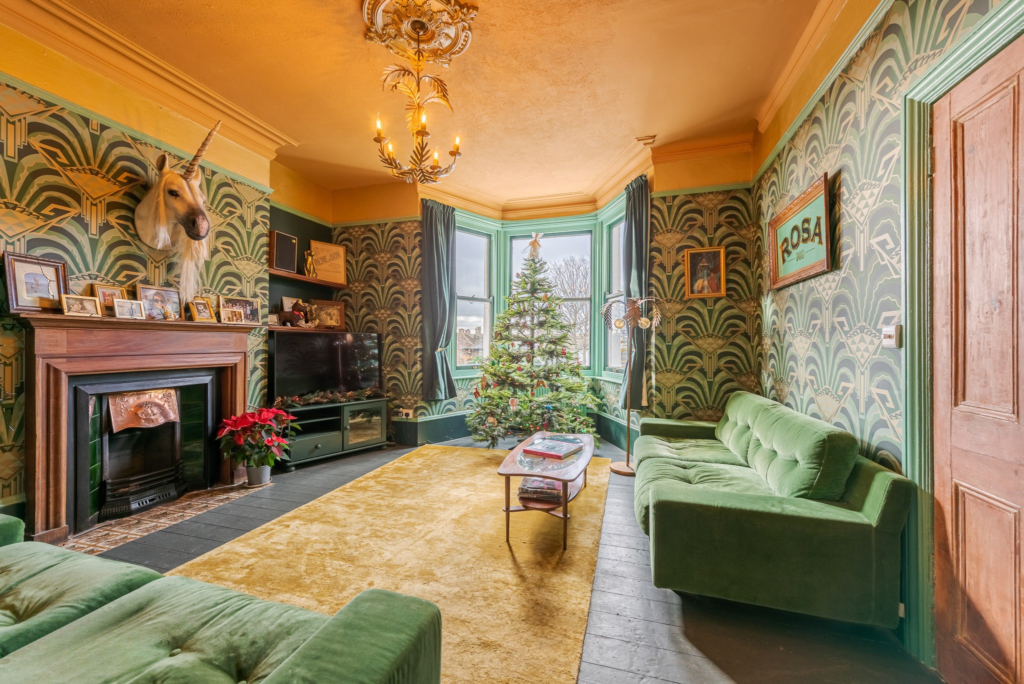
Creator Spots is a marketplace of hireable spaces in Thanet — cafes, bars, gyms, period properties, and residential locations in Margate, Ramsgate, and Broadstairs — bookable by the hour, with no platform fees for creators. The proposition is straightforward: the spaces that make your content look different from everyone else’s are available to hire, at a price that works for a working creator rather than a television production.
A two-hour slot at a venue in Margate costs a fraction of what a single UGC deliverable pays. The content produced in that slot does not look like it was made against a kitchen splashback in someone’s flat. It looks like it was made in an authentic room with real character, rather than defaulting to whatever wall was closest to the ring light.
The platform is just launching in Thanet, Kent. For content creators, that means access to spaces in Margate and surrounding areas before demand catches up with supply — which it will.
The ring light was never the issue. The room was. If your content has started to blend in, the fix is a different location — not another lighting setup. Browse available spaces in Margate and Thanet and enquire about hourly hire. Creator Spots charges owners a 12% fee on all completed bookings, with no additional Creator Spots platform fee for customers.
Compare the brand photoshoot locations collection or the houses for photoshoots collection. Each location has an enquiry form: share your brief, dates or flexibility, approximate hours and crew size. Availability, included spaces, the hire total and payment arrangements are agreed with the owner before confirmation.