For most of its first year, NeuroDADverse happened in two separate houses. Danny Eycott and Benny Whimsy-Qualms recorded close to sixty episodes remotely, talking honestly about raising neurodivergent children while each sat in his own room.
For the anniversary episode, they wanted to do something they had not done before: sit down together and record the show in person, on camera.
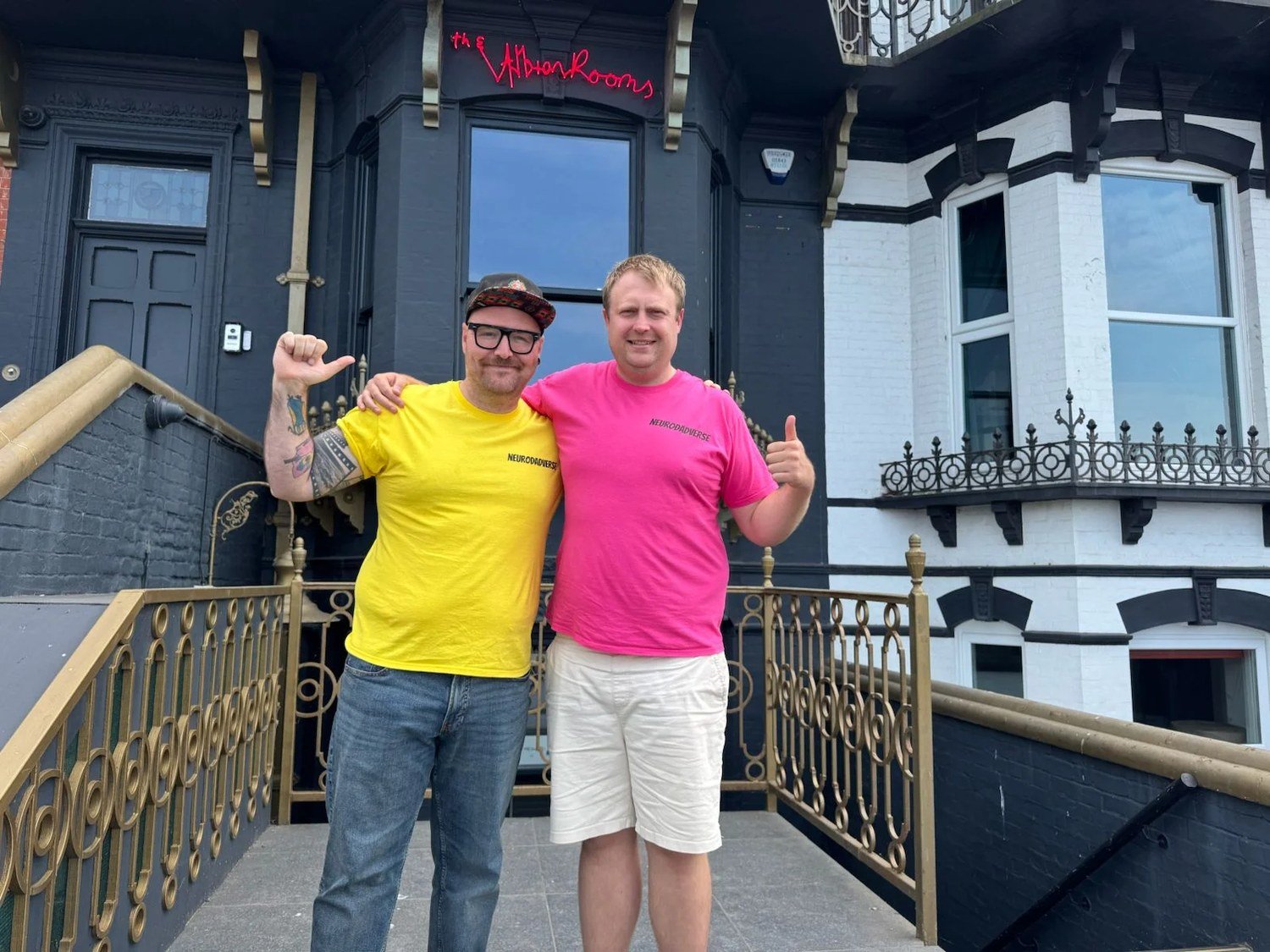
That meant finding a video podcast location in Margate rather than relying on their usual remote setup. Creator Spots arranged access to the bar at The Albion Rooms on the Cliftonville seafront for the recording on 22 July 2026. Four people attended the session, with the production bringing the technical equipment needed to turn the bar into a temporary recording setup.
The finished anniversary episode was subsequently published on YouTube. That is the important part of this case study. The location was not simply photographed as somewhere that might work for a podcast. A real production used it and produced a finished episode.
| Production | NeuroDADverse anniversary episode, the show’s first in-person video podcast |
| Location | The bar at The Albion Rooms, Margate |
| Date | 22 July 2026 |
| Format | Two-person, in-person video podcast |
| Hosts | Danny Eycott and Benny Whimsy-Qualms |
| People on site | Four |
| Creator Spots’ role | Arranged access to the location |
| Equipment | Brought by the production, not supplied by the venue |
| Result | Completed anniversary episode published on YouTube |
Remote recording is one of the reasons independent podcasts are practical. It fits around work and family life, removes travel and lets two people record from different places. NeuroDADverse had used that format for its first year and close to sixty episodes.
The anniversary recording had a different job. Danny and Benny would be in the same room, answering listener questions, reflecting on the first year of the show and recording the conversation as video as well as audio.
Moving the podcast into one physical space changed what the production needed from a location. It had to give two hosts room to sit naturally, allow microphones and phone rigs to be positioned around them, provide more than one useful camera angle and look interesting enough to remain on screen throughout the episode.
The Albion Rooms is one of the characterful spaces available through Creator Spots, and this session gives a useful real-world example of what a non-studio location can offer a video podcast.
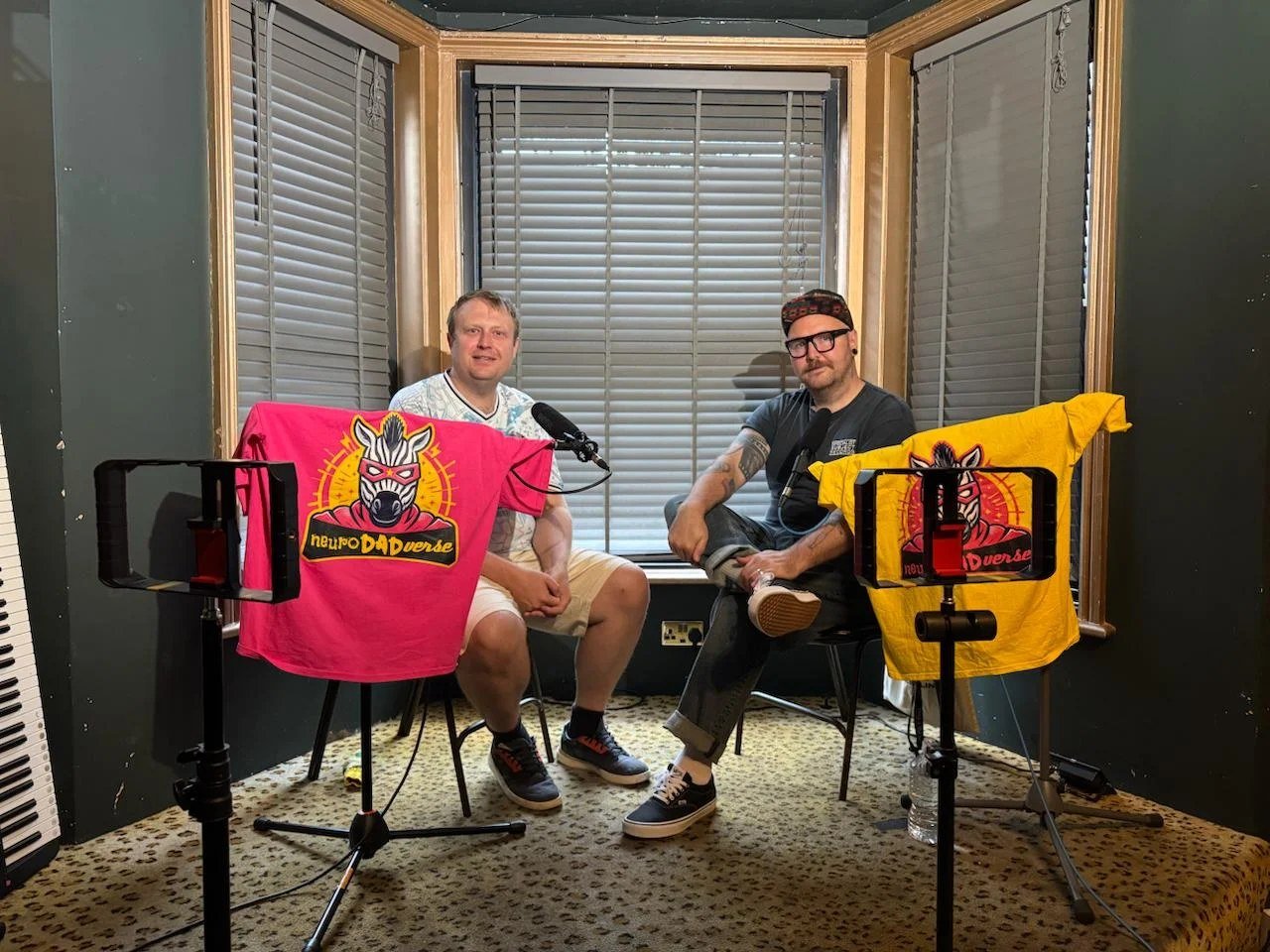
The production had private access to the bar area, including its stage area. That matters when recording a conversation. There was no normal public footfall moving through the shot and the four-person team had room to arrange the recording setup around the space.
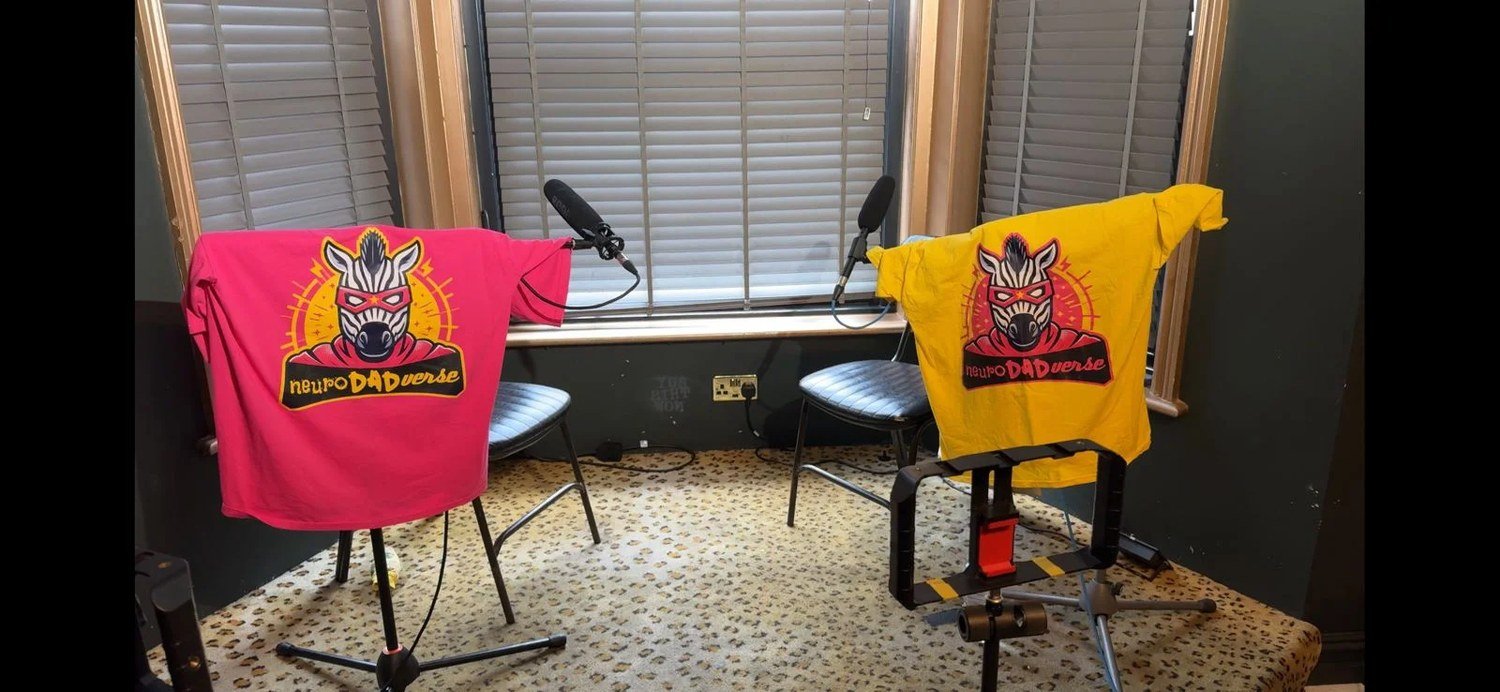
The interior also brought something a blank recording room cannot: its own visual identity. Once a podcast is filmed, the room becomes part of the production design. The Albion Rooms already has the dark, distinctive character visible in the finished setup, so the production did not need to turn a neutral wall into a backdrop.
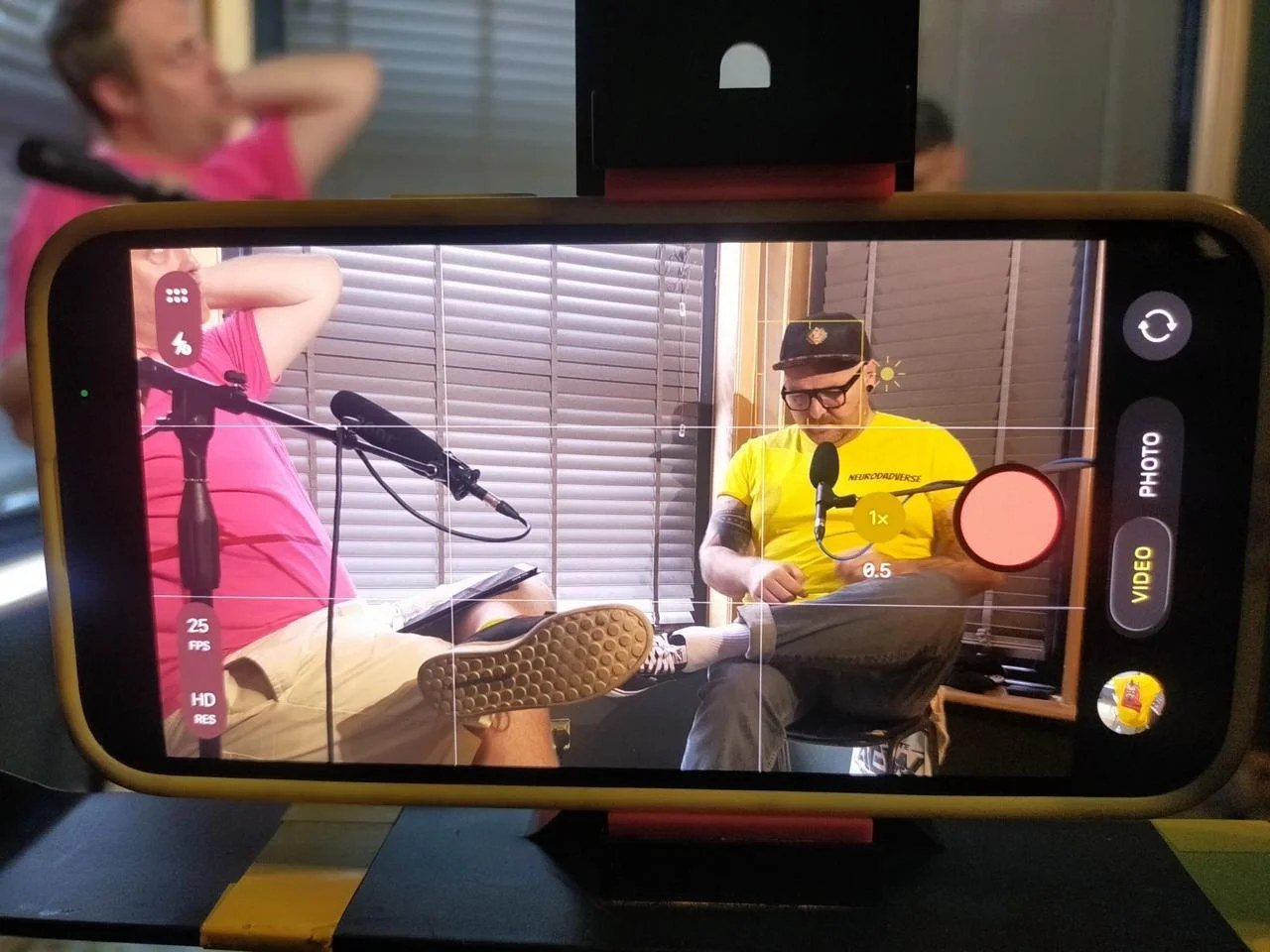
There was also enough room to create more than one usable angle. A video conversation is much easier to edit when the production can cut between views rather than rely on one static shot.
There is an important distinction, though. The Albion Rooms bar is not being presented as a purpose-built podcast studio. Creator Spots supplied the location, not microphones, cameras, acoustic treatment or an engineer. The technical setup came with the production. For creators who already have their recording equipment but need a private room with character, that distinction can be exactly the point.
The bar is available through Creator Spots from £20 an hour, subject to the venue’s availability.
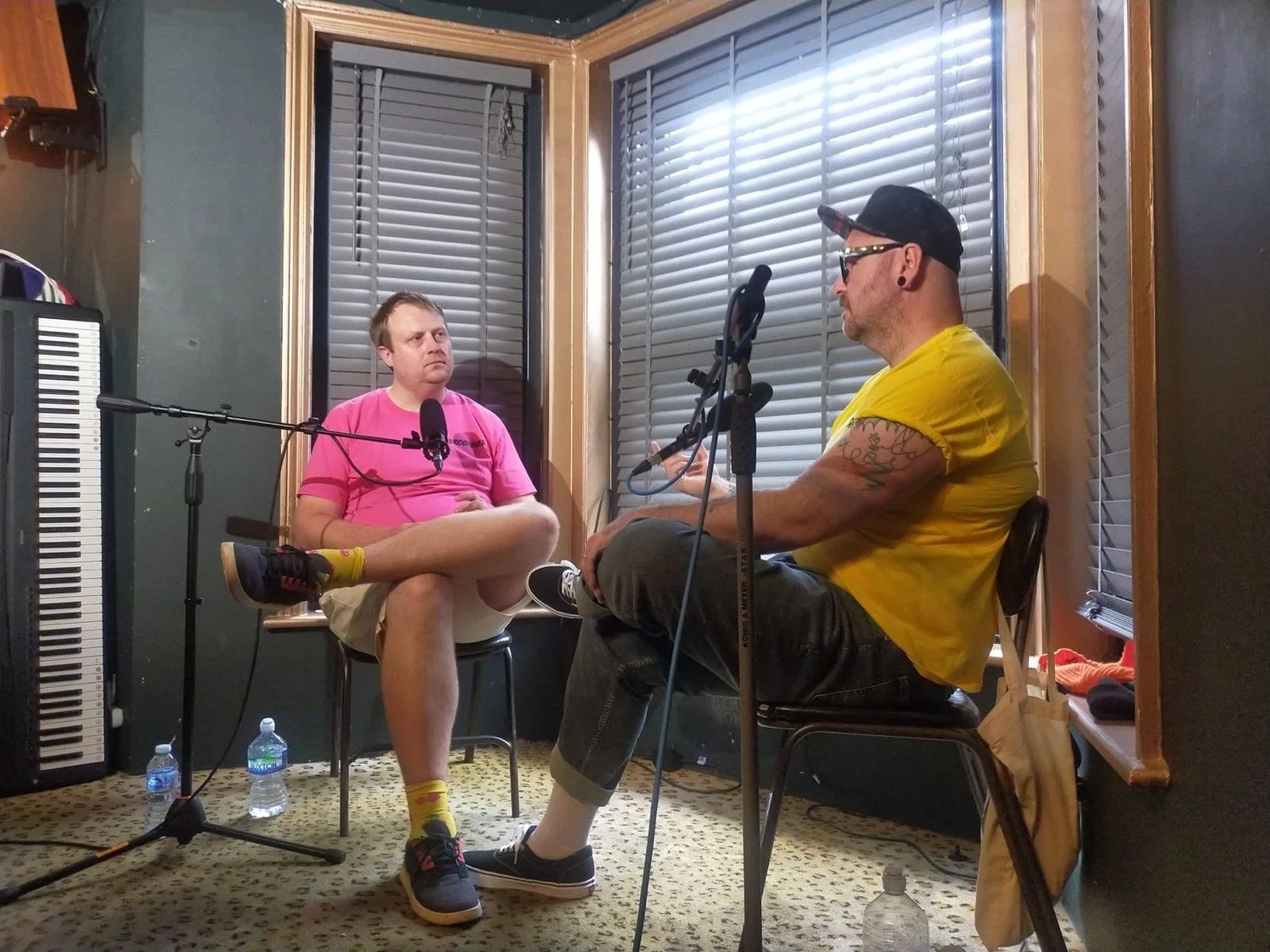
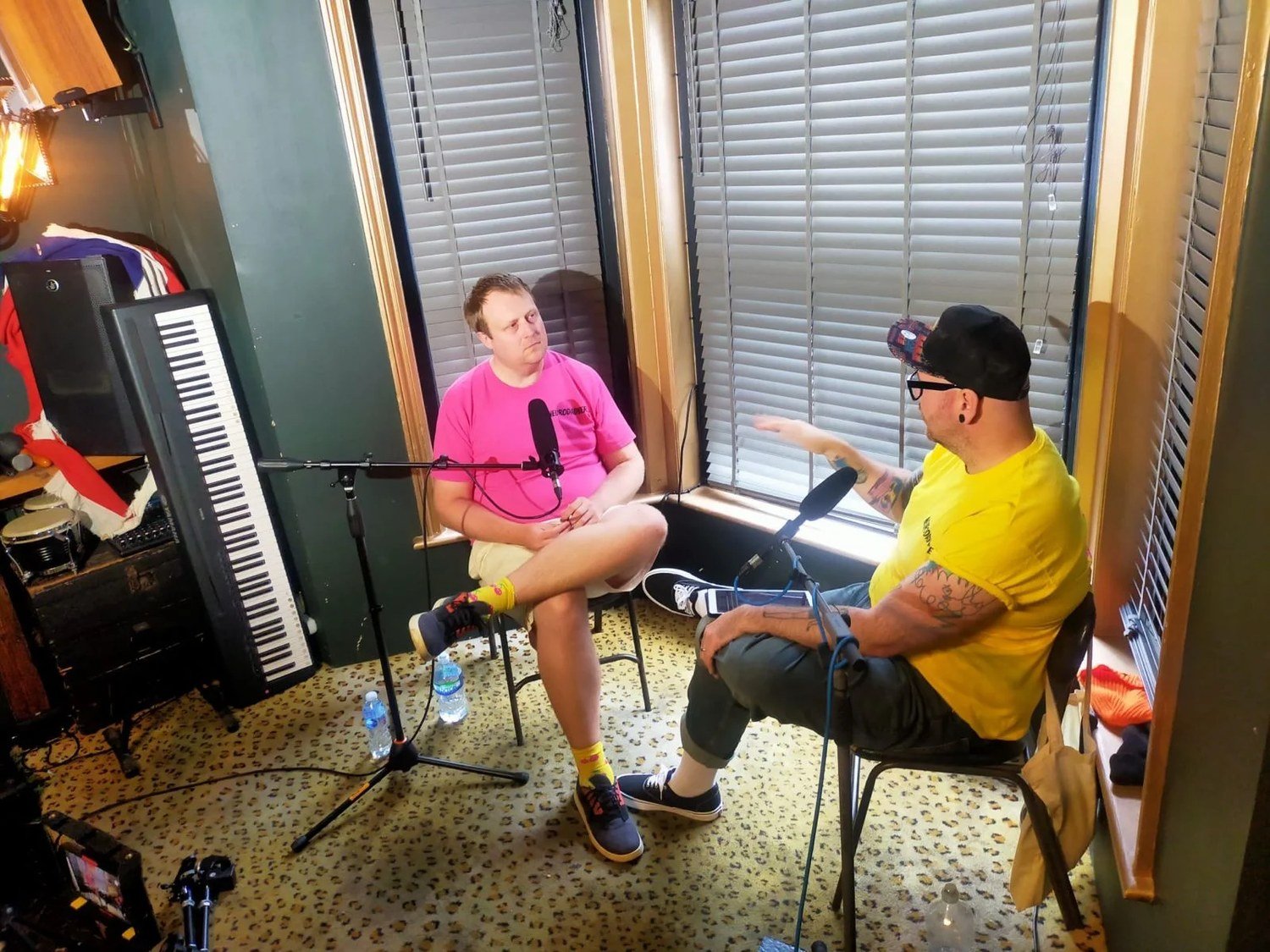
The behind-the-scenes photographs show a deliberately compact setup rather than a large production build.
Danny and Benny sat facing into the conversation rather than side by side. Each had a microphone positioned close on a stand. Smartphones were mounted and used as cameras, with more than one angle available for the edit.
The useful lesson is not the make or model of the equipment, which has not been verified and is not guessed at here. It is the footprint. Two hosts, two microphones, phone rigs and a four-person team were able to turn an existing bar area into a working video podcast set without the venue needing to become a permanent studio.
The finished episode was published on YouTube under the title:
“One Year Later… Here’s What Raising Neurodivergent Kids Has Taught Us | NeuroDADverse Q&A Special”
Squid Shack Studios later published an Instagram collaboration post with Creator Spots and NeuroDADverse about the recording. The post thanked Creator Spots for helping make the anniversary session happen and described Creator Spots to its own audience as a specialist location-hire marketplace for photographers, filmmakers and small production teams across Thanet and Kent.
Social credits: Danny Eycott @dan_eycott_filmmaker and Benny Whimsy-Qualms @benny_marie1.
A hired location and a purpose-built podcast studio solve different problems. If you need microphones, acoustic treatment, an engineer and technical support included, a dedicated studio is the more appropriate product. If you already have the technical setup and need a private room that gives the video its own look, hiring a location can make more sense.
The physical setup can be smaller than the finished result suggests. This session used a compact footprint: two seated hosts, microphones, phone rigs and enough room for the people working around them.
Once the podcast is on camera, the room is part of the programme. The background appears throughout the episode. Choosing a location is therefore also a production-design decision.
Video changes the location brief. A remote audio workflow mainly needs each person to have a workable recording environment. An in-person video episode needs one room that works for the conversation, the equipment and multiple camera angles at the same time.
If you want a fully equipped podcast studio with technical support included, choose a purpose-built studio. That is not what Creator Spots is trying to replace.
If you already have your microphones and cameras and need a private room with character, browse the currently listed Margate locations. Tell us if your brief needs another part of Thanet or Kent; we can discuss what may be possible without assuming a suitable space is already listed.
NeuroDADverse spent its first year proving the show worked remotely. For its anniversary episode, one afternoon in Margate gave the conversation a shared room and a completely different visual setting.
Details last checked: August 2026.
This recording was a location collaboration. For your own hire, view The Albion Rooms and send your dates, hours, crew size, sound requirements and the equipment you plan to bring. You can also compare the podcast location guide. Availability and arrangements are agreed before confirmation.
Still choosing a setting? Send your brief for help finding a location. An enquiry is not a confirmed booking.