
Hiring a filming location in Kent can cost £20 for a creator-friendly hour, several hundred pounds for a longer studio booking, or well into four figures for a traditional commercial shoot house.
One average is not useful. A two-person shoot in a Margate tea room and a 40-person country-house commercial are not remotely the same product.
For a smaller production, the useful figure is the total booking cost:
Hourly or block rate × chargeable time + compulsory extras + shoot-specific travel and permit costs
Chargeable time normally includes setting up and packing down, not just the minutes when the camera is recording. A low hourly rate can wear a very convincing disguise once a four hour minimum is attached.
These are current, labelled examples rather than a made-up national average. They show how sharply the product changes from one end of the market to the other.
| Type of hire | Current published evidence | What it means for your budget |
|---|---|---|
| Creator-friendly real locations in Margate | Creator Spots lists Margate locations with published hourly entry rates from £20 to £85. Two houses state a two hour minimum. | Short shoots can start in double figures, but minimums and permitted use still matter. |
| Independent Kent photo and video studios | Lux Studios publishes from £25 per hour or £160 for eight hours. Dockside Studio publishes £28 per hour including VAT, with a two hour minimum, or £195 for eight hours Monday to Saturday. | Studio kit and facilities may be included. Longer block rates can beat straight hourly maths. These are two examples, not a Kent average. |
| London marketplace filming spaces | Tagvenue’s selected set runs from £35 to £130 per hour and £290 to £900 for full-day hire. Two or four hour minimums are common. | A London marketplace benchmark covering mixed studios, houses and specialist sets. |
| Traditional London shoot houses | A location-agency guide places a standard shoot house at about £1,500 to £2,500, plus booking fee and VAT, for 12 hours. | Traditional commercial pricing, not a national average or the entry cost for every creator shoot. |
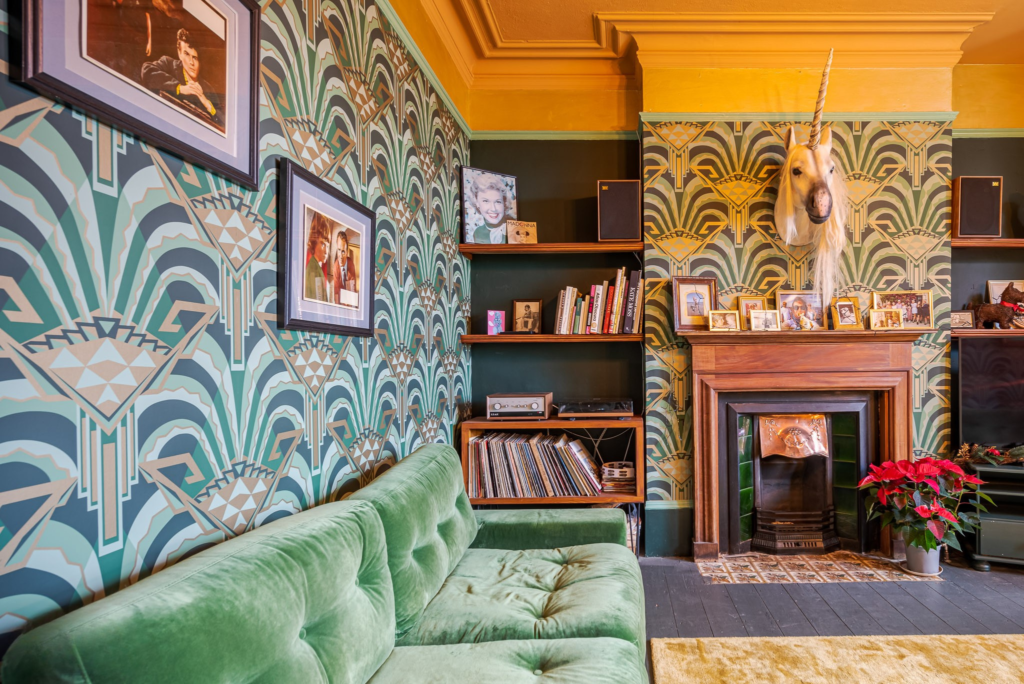
The same property may be offered hourly to a four-person team and by the day to a larger campaign. The rate changes because the impact changes.
The room is only one part of the price. A host or location manager is also assessing how long you will be there, what you are bringing and what the booking prevents the property from doing normally.
Hourly location hire makes most sense when the shoot is genuinely short and the setup is light.
A UGC batch shoot, a portrait session, a product sequence, a talking-head video or one scene from a music video may only need one to three hours in the right room. If the listing permits a short booking, you are paying for the time you use rather than stretching a small brief across a traditional day.
This is the economic difference behind filming location hire by the hour. It does not make the room less professional. It makes the booking unit better suited to a smaller production.
A half day or full day becomes more sensible with a substantial lighting build, sound checks, make-up, several contributors, meal breaks or repeated resets. Saving £80 is not much of a victory if the final hour resembles an auction.
Current studio rate cards show the crossover. Eight hours at Lux Studios’ £25 hourly entry rate would be £200, but its eight hour rate is £160. At Dockside Studio, eight hours at £28 would be £224, against a published Monday to Saturday rate of £195.
The saving is specific to those rate cards, not a universal formula. The practical rule is to price the whole schedule both ways before booking.
Imagine two suitable locations:
| Option | Headline rate | Minimum booking | Base booking cost |
|---|---|---|---|
| Location A | £60 per hour | One hour | £60 |
| Location B | £40 per hour | Four hours | £160 |
These figures are illustrative, but the lesson is real. Location B has the cheaper hourly rate and the more expensive booking.
Now add the rest of the schedule. If Location A needs 45 minutes of set dressing and paid parking, whilst Location B already has the right look and free loading access, the answer may change again. Compare the total shoot cost, not the number in the largest type on the listing.
Before paying, write down:
A refundable damage deposit matters to cash flow, but it is not a production cost unless some or all of it is retained. Keep it on a separate line in the budget.

Creator Spots does not currently represent the whole Kent market. Its current directory focuses on Margate; check Find a Spot for the latest collection rather than relying on a fixed venue count.
That current inventory is useful because it shows what transparent, creator-facing hourly pricing looks like in one part of Kent. Representative examples are below.
| Representative Creator Spots location | Published rate | Published minimum or restriction | Useful cost detail |
|---|---|---|---|
| Le Keux Vintage | From £20 per hour | No multi-hour minimum stated on the listing | Access to all styled sets, plus tea, coffee and water. |
| The Orchid Room | £20 per hour | Listed as bookable by the hour | Exclusive use of the venue is included. |
| O.C. Dean’s Fitness | From £45 per hour | No multi-hour minimum stated on the listing | Private use of the gym and its equipment is included. |
| The Peacock House | £60 per hour | Two hours, with at least 48 hours’ notice | Base two hour booking is £120. Three distinct areas are available within the property. |
| Bombina House | £85 per hour | Two hours | Base two hour booking is £170. Multiple styled rooms are included across the flat. |
| Fire Eye Land | £55 for one hour; £40 per hour for bookings of two hours or more; £115 for four hours; £225 for eight hours | Two-hour minimum for the £40 hourly rate; overtime £50 per hour | Infinity cove, lighting and grip equipment, preparation space and parking. Specify essential equipment in the enquiry so availability and any applicable charges can be confirmed. |
Creator Spots charges owners a 12% fee on all completed bookings. No additional Creator Spots booking or platform fee is charged to creators, who pay the agreed hire amount and any agreed extras. That does not mean every production costs exactly the card price. The current terms say that productions requiring additional crew, power or access must be agreed with the venue and may use a different rate.
Prices and conditions change. Check the individual listing again on the day you book.
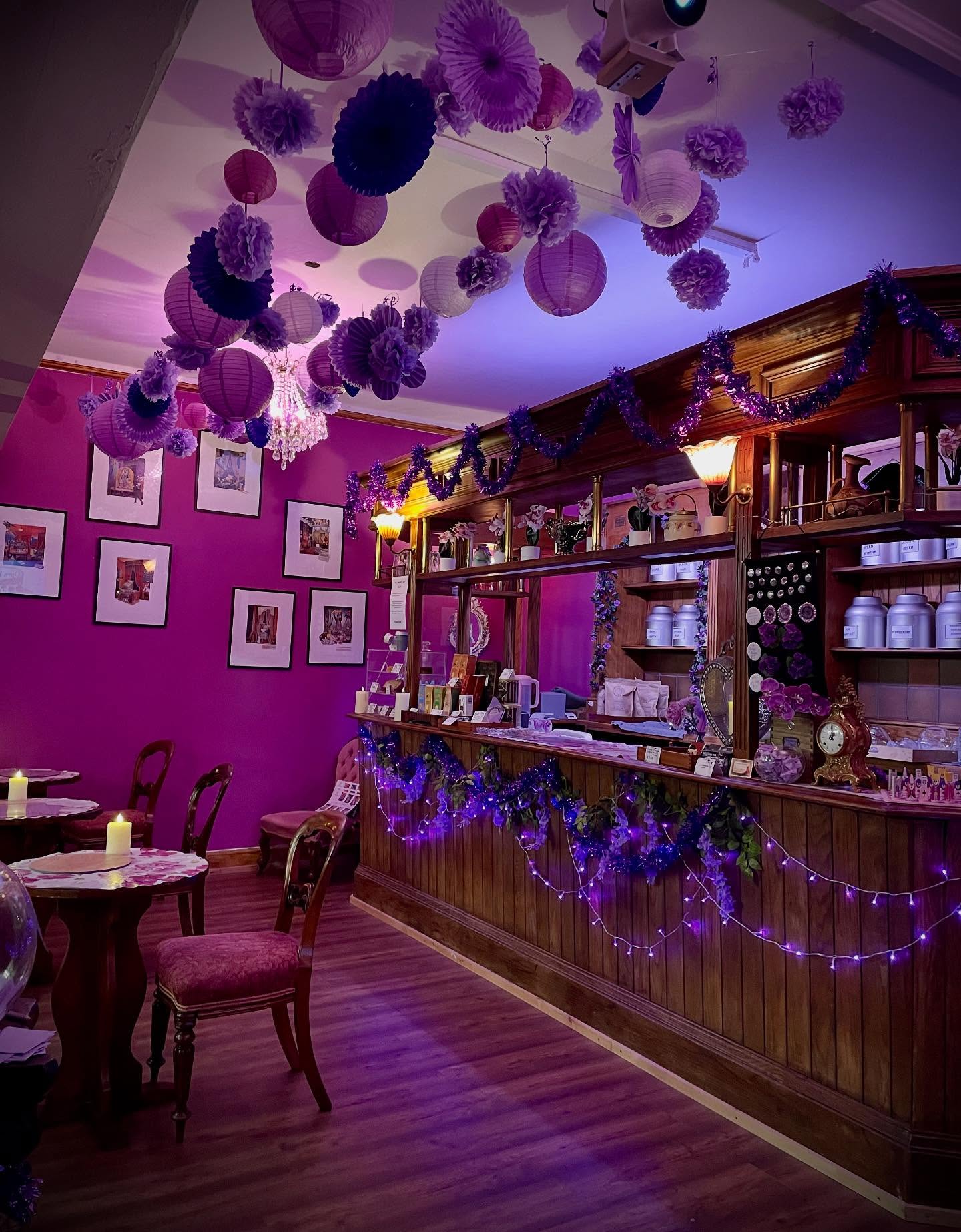
Someone searching for a cheap filming location is usually trying to make the whole shoot affordable. Those are not quite the same thing.
Start with the shot list. Work out the setups, sync sound, kit and changeover time. Only then can you tell whether a one hour booking is plausible or an act of optimism.
Choose a location that already contains the required visual language. A styled retro room, working gym or characterful bar can remove the need for backdrop hire, props and a morning of arranging furniture. The cheapest blank room is not cheap if you have to build the intended location inside it.
Count the usable looks. The Champagne Poker shoot at The Albion Rooms produced around 30 finished images and two Reels using one hotel room and a staircase. Several convincing setups can save another hire, journey and the peculiarly joyless business of packing light stands twice.
Keep the crew appropriate to the brief. A smaller team can fit a smaller space and may qualify for a lower-impact rate. Do not cut somebody the shoot genuinely needs, but do not bring three spectators because the group chat made it sound fun.
Finally, compare what is included. Free parking, private access, existing furniture, useful equipment or several rooms may justify a higher rate. A bare room can be exactly right when you want control, but it should be priced as a bare room.
Not always.
A creator making six short product videos may need one dressed corner, a table and two hours. A portrait photographer may have a single lighting setup. A video podcast team that already owns its microphones and cameras may need a private room for an afternoon rather than a permanent studio.
Creator Spots’ NeuroDADverse video podcast case study is a useful example. Four people turned a bar into a temporary two-person recording set using equipment brought by the production. The venue supplied the visual setting and private space, not an engineer or a complete podcast package.
Other shoots need the day because their work happens around the filming. A larger music video may need rehearsals and several scenes. A commercial interview day may involve multiple contributors. A specialist product shoot may need careful rigging and repeated resets. A full day is not wasteful when the schedule genuinely uses it.
The honest question is not “can we film this in two hours?” It is “can we enter, set up, film the approved shot list, reset the room and leave within two hours without creating avoidable risk?”
Kent is not automatically cheaper than London. A national location agency notes that its daily location-house prices outside London do not differ from its London prices, although country properties may offer more rooms, larger grounds, easier access and more parking.
The useful comparison is total production cost.
Kent can make financial sense when your team is already based locally, the location provides a look you cannot get conveniently in London, parking and loading are easier, or one property gives you several settings in a single booking.
London can make more sense when most of the crew and talent are there, public transport removes vehicle costs, or you need a specialist studio, rental house, production office or technician nearby. Moving ten people to save £100 on a room is the sort of bargain that improves rapidly when nobody checks the spreadsheet.
Compare venue hire and minimums alongside crew travel, parking, road charges, accommodation, equipment collection, location moves and access to specialist facilities. The winner changes with the crew, the brief and the day.
Not every shoot will encounter every cost below. The point is to ask, not to assume the invoice is waiting behind a curtain.
| Possible cost | What to check |
|---|---|
| Setup and pack-down | Whether preparation and restoration sit inside the paid slot, plus overtime. |
| Deposit, cleaning and damage | Any security hold and what can trigger cleaning, bedding, repainting or consumables charges. |
| Staff | Whether a manager, technician or security guard is compulsory. |
| Equipment and facilities | Which lights, backdrops, extra rooms, heating, power, toilets or unit-base facilities are included. |
| Travel and welfare | Team travel, taxis, parking, accommodation and catering. |
| Permits and insurance | Required permissions and cover, plus any traffic or public-land costs. |
A private indoor booking gives you permission to use the agreed private space. It does not automatically cover a pavement, public road, council-owned beach, drone flight or traffic control outside.
The Kent Film Office handles commercial permits for council-owned or managed land, footpaths and roads. Its highways guidance says commercial filming on a Kent County Council public highway or footpath requires a permit, at least £5 million public liability insurance and a risk assessment. Medway is separate, and requirements vary with the exact authority and activity.
For private Creator Spots bookings, public liability insurance is encouraged rather than universally required, unless the venue’s own rules say otherwise. Larger clients, agencies and locations may set stricter requirements.
Paying more for the location can reduce spending elsewhere.
A pre-styled house can save set dressing. Several usable rooms can remove a company move. Ground-level access can shorten load-in. Reliable power can reduce equipment workarounds. Parking can save taxis and crew time. A quiet room can save an interview that would otherwise need to be recorded again.
The same applies in the other direction. A specialist studio may be the better-value choice when you need sound control, a lighting grid, green screen, drive-in access, production offices or a large crew. An hourly real-world location is not trying to replace that product.
Ask which option gets the required result with the least total friction. The lowest number beside “per hour” is only one candidate.
For wider county searches, public locations and productions needing permit support, Kent Film Office maintains a searchable location database and can advise on council permissions.
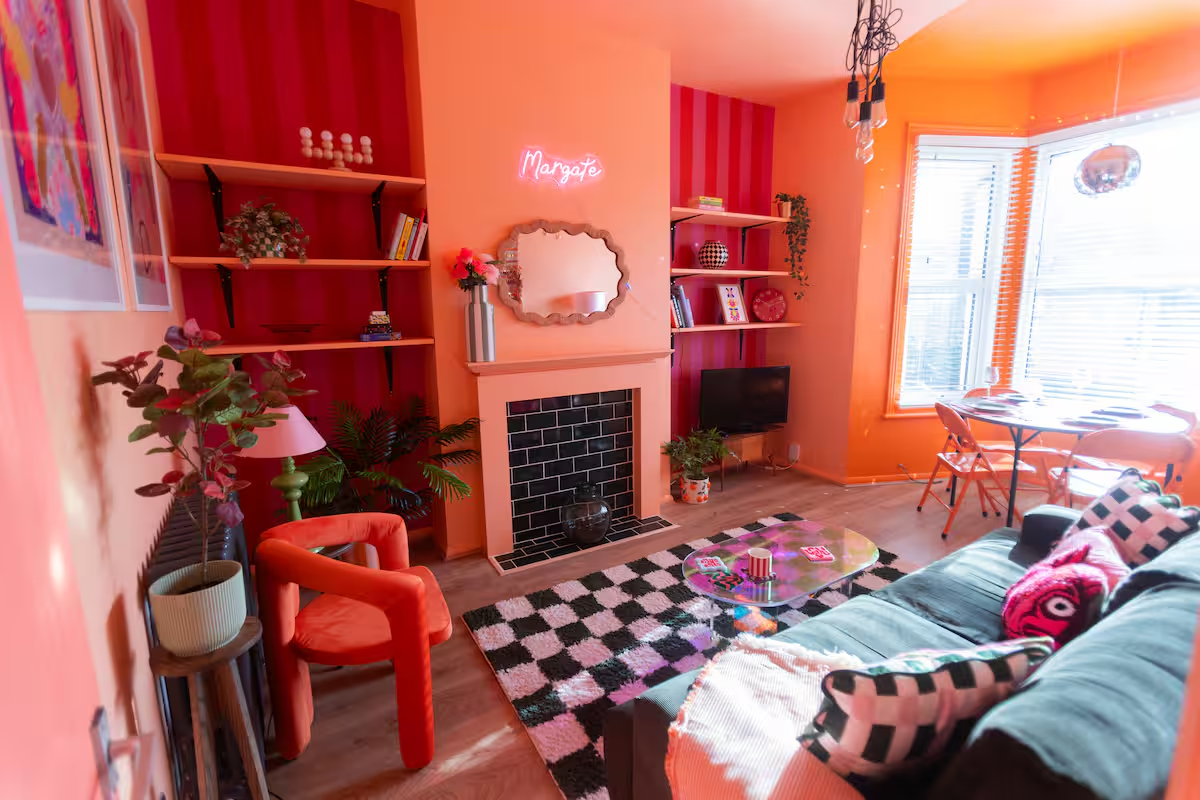
Creator Spots has a narrower role. It focuses on characterful, real-world spaces for creators and smaller production teams. The current Find a Spot collection is in Margate, with published entry rates from £20 per hour. Individual venues set their availability, minimums and permitted uses. Creators currently pay no Creator Spots booking or platform fee, and bring their own production equipment unless a listing says something is included.
If that scale suits the shoot, browse the current Margate locations or read how booking works for creators before choosing a slot.
There is no universal rate. Creator Spots lists Margate spaces at £20 to £85 per hour; two Kent studio examples publish £25 and £28. Specialist locations cost more. Check the minimum.
Sometimes. Other venues require two, four or more hours. A one hour slot must still include setup, filming and pack-down, so it needs a simple plan.
Current Creator Spots houses in Margate run from £50 to £85 per hour. Peacock and Bombina state two hour minimums. Agency houses can cost four figures per day. See houses for photoshoots in Thanet.
Not automatically. The total depends on crew travel, parking, accommodation, loading and how many useful looks the property provides.
Compare hourly marketplaces, studio rate cards and the Kent Film Office database. Creator Spots lists Margate spaces with published entry rates from £20 per hour, but does not cover the whole county.
Yes. The owner or authorised operator should agree to the filming and intended use. Public land, roads, drones and identifiable people can require separate permissions.
It depends. Kent Film Office handles commercial filming permits for council-managed land, roads and footpaths. A private indoor booking does not usually need a highway permit, but exterior activity may.
Only what the listing or quote says. Exclusive use, equipment, extra rooms, staff, cleaning, power and parking vary. Get it in writing.
A day rate is a fixed price for an agreed block, often eight, ten or 12 hours. Confirm the access period, whether preparation and pack-down are inside it, and the overtime rate.
Creator Spots inventory wording and Fire Eye Land rates checked: 19 October 2026. External price examples were last checked on 3 September 2026 and have not been reverified in this update. Prices, availability and booking conditions can change, so check the relevant listing or provider before booking.
Compare the brand photoshoot locations collection or the houses for photoshoots collection. Each location has an enquiry form: share your brief, dates or flexibility, approximate hours and crew size. Availability, included spaces, the hire total and payment arrangements are agreed with the owner before confirmation.